
Across Africa’s vibrant cultures lies a rich culinary tradition. It’s deeply rooted in whole foods, natural spices, and seasonal ingredients. The continent is home to dishes that are not only flavorful but also incredibly nutritious. From North to South, East to West, healthy African meals showcase how simple ingredients can come together to create deeply satisfying dishes.
In recent years, there’s been growing global recognition of healthy African dishes for their balance, plant-based focus, and healing ingredients. These meals often include grains, legumes, vegetables, and lean proteins — all the elements of a well-rounded diet.
Let’s explore a collection of wholesome meals from across Africa. Each one is built on tradition, crafted with care, and naturally good for the body.
1. Grilled Fish with Jollof Rice – A Healthy African Meals Favorite
This beloved West African staple is more than just a comfort food. Jollof rice, made with tomatoes, onions, and spices, offers a hearty dose of flavour and fibre.
To keep it light, many people now pair it with grilled fish instead of fried meats. Snapper or tilapia marinated in herbs and lemon creates a protein-packed, omega-3-rich meal.
Use brown rice or fonio for added health benefits. The flavours stay bold, but the nutritional value rises. This version of Jollof is a clear example of how traditional healthy African meals are evolving without losing their soul.
2. Moroccan Chickpea Tagine – Healthy African Meals
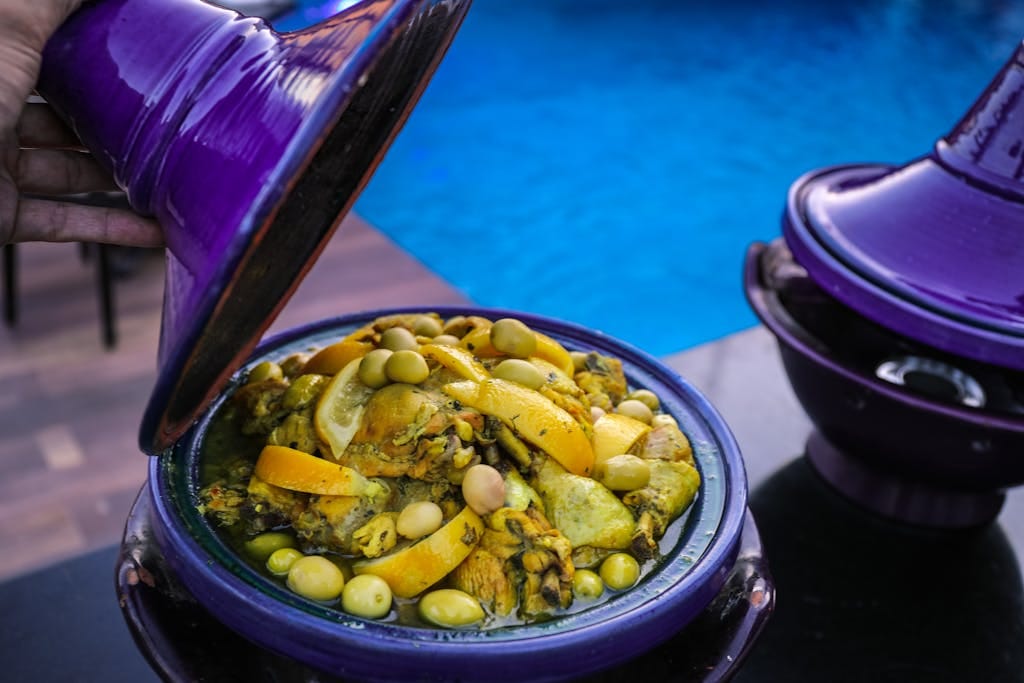
North African cuisine brings us one of the most aromatic and nutrient-rich meals — chickpea tagine. This slow-cooked stew filled with fibre from chickpeas and antioxidants from spices like turmeric, cinnamon, and ginger.
The base includes tomatoes, garlic, onions, and preserved lemon, offering a tangy and robust taste. Often served with whole-grain couscous or millet, this dish plant-based and low in saturated fat.
It’s an excellent choice for anyone seeking healthy African dishes that are both filling and heart-friendly.
3. Ugandan Matoke with Groundnut Sauce
Matoke (green bananas) is a Ugandan staple. When steamed and paired with a creamy groundnut (peanut) sauce, it becomes a wholesome, comforting dish that’s rich in potassium and healthy fats.
The bananas lightly mashed and served with a sauce made from blended peanuts, onions, tomatoes, and a pinch of chilli. Groundnuts are high in plant-based protein and good fats, making this dish a great energy booster.
For a lighter option, skip added oils and use roasted peanuts to enhance flavour without heaviness. This is a true standout among healthy African meals.
4. Ethiopian Atakilt Wat
Ethiopian cuisine is known for its depth of flavour and vegan-friendly meals. Atakilt Wat is a standout — a simple mix of cabbage, carrots, and potatoes stewed in turmeric, garlic, and ginger.
It’s typically served with injera, a sour flatbread made from teff. Teff is a gluten-free grain that’s high in iron, calcium, and protein. Together, Atakilt Wat and injera form a meal that’s light on calories but heavy on nutrition.
This is one of the most accessible and flavorful healthy African dishes, perfect for both vegans and meat-eaters looking to go plant-based a few times a week.
5. South African Chakalaka with Pap
Originating in South Africa, it’s often paired with pap — a maize-based porridge. While pap is usually made with refined maize, health-conscious variations use whole-grain cornmeal or millet for added fibre. Chakalaka is naturally low in calories and rich in vitamins, thanks to its vegetable base.
You can elevate this dish further with grilled chicken or sautéed greens on the side. Among healthy African meals, this one is easy to prepare and endlessly customizable.
6. Senegalese Yassa Poulet
It’s grilled or simmered and traditionally served with rice. To make it healthier, opt for brown rice or fonio — a super grain rich in iron and amino acids. The marinade is naturally low in fat and packed with flavour, which makes portion control easier without sacrificing taste.
It’s a perfect blend of protein, citrus, and spice. A balanced addition to the list of healthy African dishes you’ll want to revisit.
7. Tanzanian Mchicha (Spinach and Peanut Stew)
Mchicha a spinach-based dish simmered with onions, tomatoes, and peanut butter. with brown rice or ugali (a cornmeal dish), it’s both satisfying and nutrient-dense.
This stew is a go-to in East Africa and a hidden gem among healthy African meals. It’s especially beneficial for those following vegetarian or dairy-free diets.
8. Githeri – Kenya
It packed with fibre, plant-based protein, and slow-digesting carbohydrates. Often flavoured with onion, tomato, and mild spices, Githeri is satisfying without being heavy. It’s traditionally served as a one-pot meal and requires no added fats.
This dish is clean eating in its most authentic form and a great example of healthy African meals with lasting energy.
9. Berbere Lentils from Eritrea
Lentils are a powerhouse of plant-based nutrition. Eritrean-style berbere lentils are spiced with a warming blend of paprika, chilli, fenugreek, and garlic.
Cooked with onions and tomatoes, they become a bold, protein-rich meal ideal for vegans. Serve them with injera or steamed vegetables for balance.
The dish is low in fat, high in fibre, and anti-inflammatory, thanks to the spices. It’s a warming bowl of nourishment — and a beautiful part of healthy African dishes from the Horn of Africa.
10. Egyptian Ful Medames – Healthy African Meals
Ful Medames is Egypt’s national dish. Made from slow-cooked fava beans with lemon, olive oil, cumin, and garlic, it’s a classic breakfast that works any time of day.
It’s high in protein and fibre and incredibly satiating. Many eat it with whole-wheat pita, sliced tomatoes, cucumbers, and boiled eggs.
Ful is an example of how healthy African meals don’t require exotic ingredients — just fresh produce, simple seasonings, and time-tested preparation.
Celebrating Wellness Through Healthy African Meals
African food doesn’t need to “modernized” to be healthy. In its original form, much of the continent’s cuisine already built on wellness principles. It’s about balance.
You’ll find slow-digesting grains like millet, teff, or sorghum. Leafy greens like amaranth, cassava leaves, and spinach are core ingredients. Proteins come from legumes, lean meats, or fish. And seasoning relies on herbs and spices, not sugar or processed sauces.
For those seeking healthy African dishes that nourish body and soul, there’s no shortage of options. Whether you’re trying to eat lighter, go plant-based, or simply add variety to your meals, African cuisine offers endless inspiration.
Eating healthy doesn’t mean giving up flavour. These meals prove the opposite — that restaurant‘s food can be both medicine and celebration, rooted in heritage and full of life.